Starting your currency collection
Collecting things is a very common human urge. Be they matchbooks, pop bottles or 17th century Flemish altar paintings, owning large numbers of the same type of thing is a fascinating pastime for many of us. While a pile of newspapers or clowder of cats (look it up) is generally discouraged, a well-cared for collection of genuinely interesting items may garner, if not outright respect, at least polite curiosity from many of your acquaintances. At its most basic level, the collecting of items of any interest fosters patience, organization, knowledge and in the case of stamps and coins, a deeper understanding of other cultures. It’s your very own self-directed learning. Some may maintain that the word ‘collection’ has on occasion been associated with the word ‘nerd’. Perhaps. Does it matter? Our counsel: do not let such talk discourage you in any way. Nerds can be a force for good. We all have inner nerds who are just itching to burst out of the basement. So let them out, blinking and squinting, into the daylight. Let them, perhaps, start a collection.
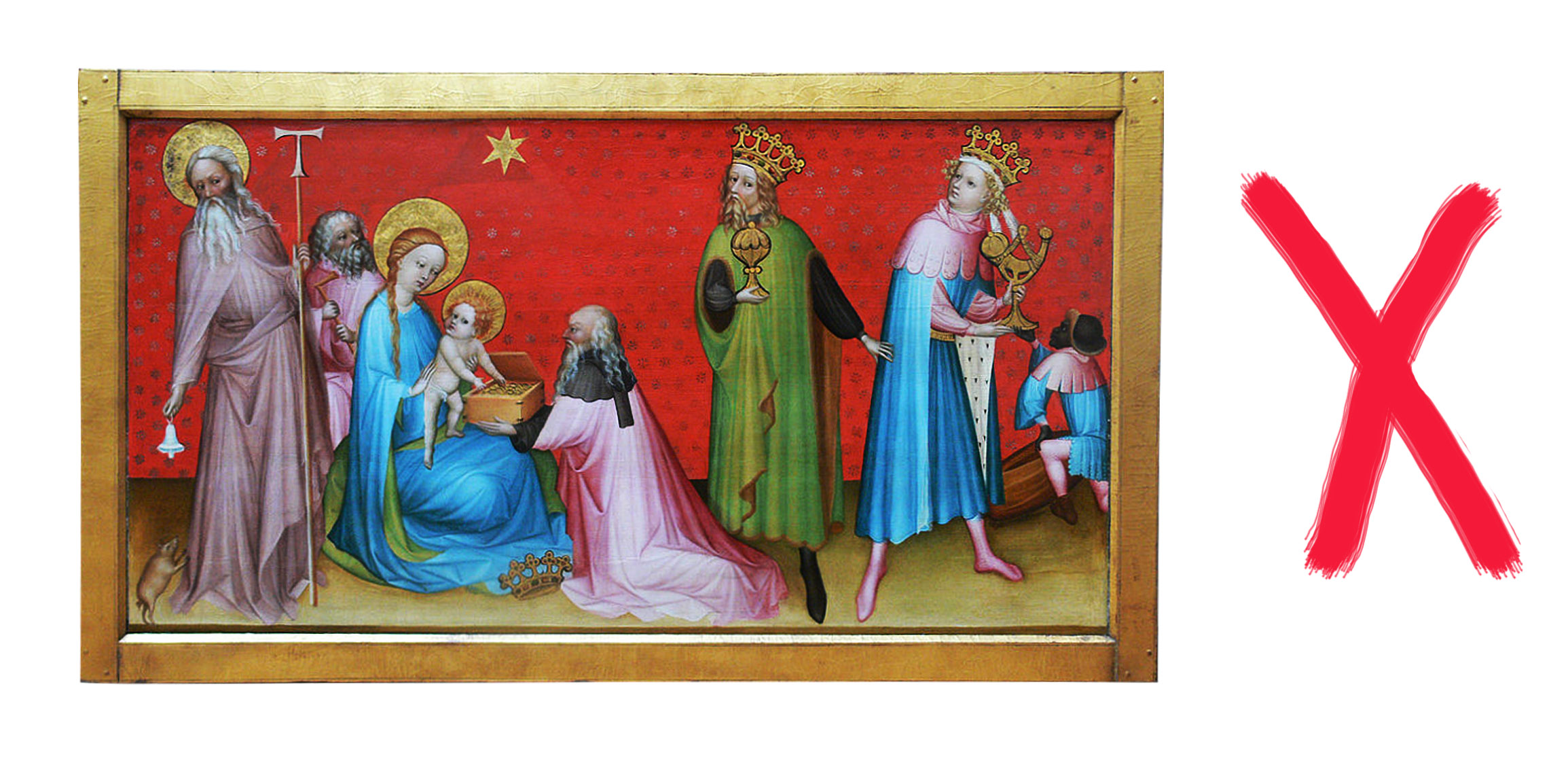
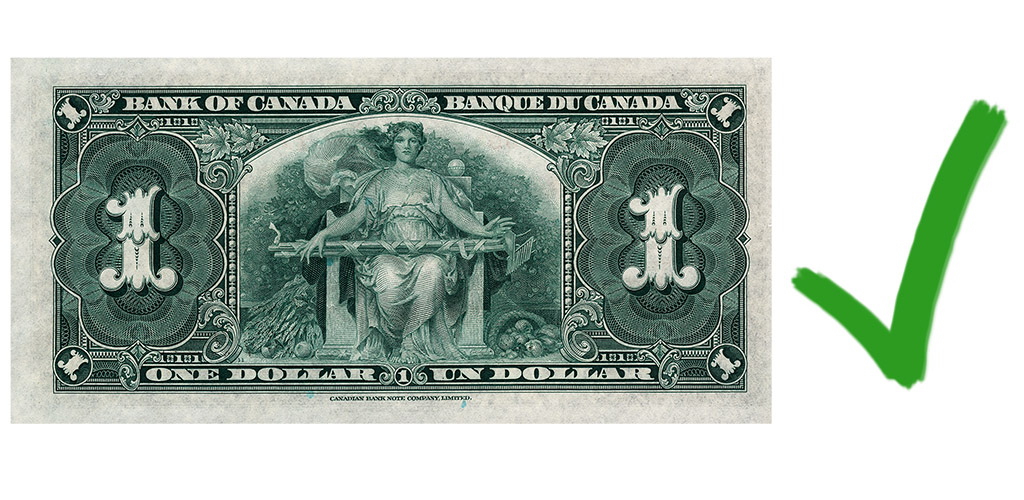
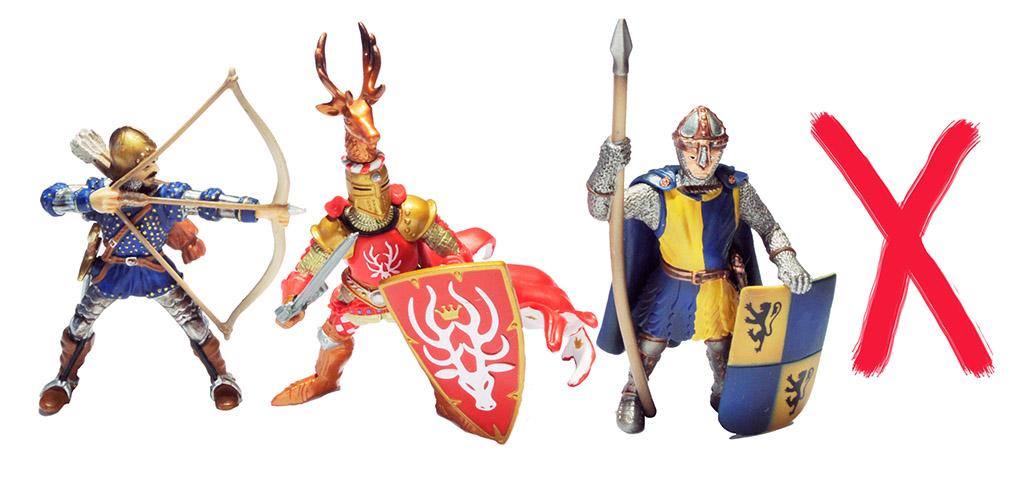
Of course we at the Museum would prefer your inner nerds choose to collect currency and not Pez dispensers. We’d just love it if they longed to become numonam… mamonumi…deep breath now…numismatists! If that’s the case, what should you collect? For a start, spare yourself some future stress and specialize. It’s time to do a little self-educating and uncover where your interests lie. Start Googling, check out numismatic associations’ newsletters and websites (see list below.) Museum websites like our own are a great place to start. You may surprise yourself and discover a hidden interest in subway tokens, charge cards from defunct department stores or post-war, pre-Soviet Hungarian hyper-inflationary bank notes. Or not; but you have to try in order to find out.
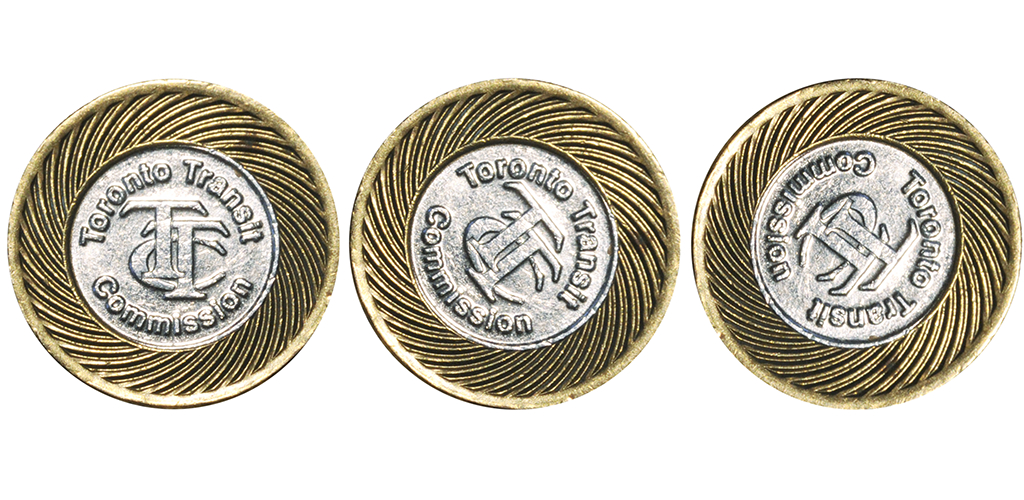
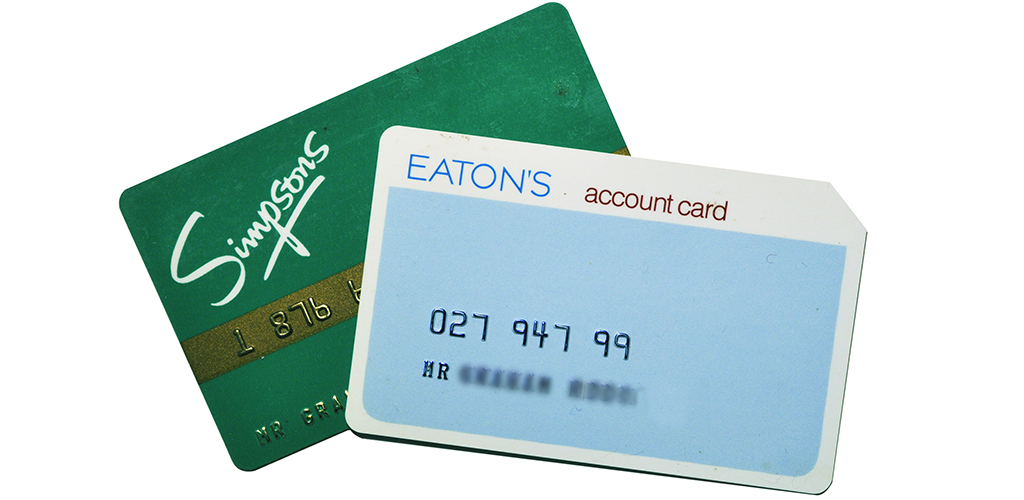
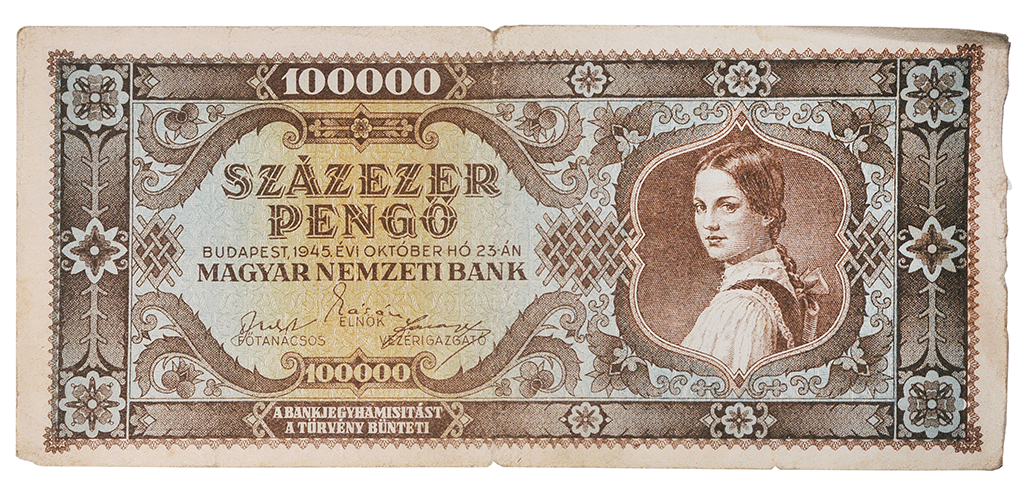
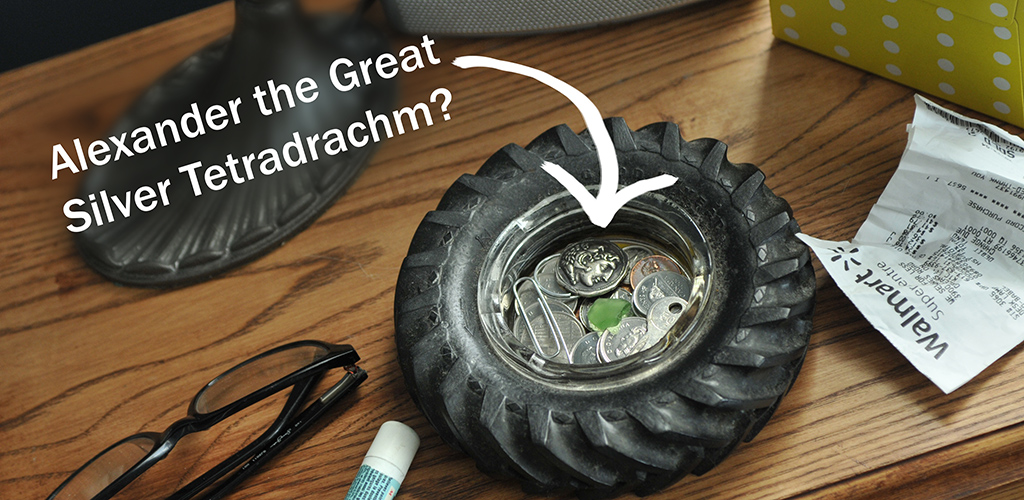
So where do you start? Most of us have been coin collectors for years without admitting it. Every dresser top change tray will have a few ‘interesting’ coins in it. Many an unusual item has been found amongst the buttons and beach glass. Auctions, flea markets and antique stores are a great source for coins, bills and tokens of all sorts and, of course, the internet makes shopping for specific items almost too easy. If you live in Saskatchewan, you might talk to my mother who still regularly drops interesting coins on my dresser back home. So start investigating and let one thing lead to another— just don’t let it lead to collecting cats.
Here are some useful resources that you may find of interest (but the Bank of Canada does not necessarily endorse their contents):
- Numismatic Network Canada
- US Rare Coin Investments
- Canadian Paper Money Society
- Royal Canadian Numismatic Association
- Royal Canadian Numismatic Association links list
- Canadian Association of Numismatic Dealers
- Numicanada (French only)
- Numicanada links (French only)
The Museums:
The links in this blog post were updated in October 2021.
We want to hear from you! Do you have an idea for a blog post you’d like to see?
Content type(s):
Blog posts
The Museum Blog
April 18, 2024
 What the stock market crash of 1929 did was starkly reveal the weaknesses of economic systems that had evolved from the unregulated capitalism of the late 19th century.
Lessons from the Great Depression
By: Graham Iddon
Content type(s):
Blog posts
Subject(s):
Financial literacy,
History
Grade level(s):
Grade 09 / Secondary 3,
Grade 10 / Secondary 4,
Grades 11 and 12 / Secondary 5 and CEGEP
March 25, 2024
 Newfoundland’s entry into Confederation marked the end of an era when Canadian provinces issued their own coins and paper money.
Welcoming Newfoundland to Canada
By: David Bergeron
Content type(s):
Blog posts
December 19, 2023
 It’s that time of the year again—the wrap-up of the Bank of Canada Museum’s annual acquisition program. Here are a few highlights of the latest additions to the National Currency Collection.
New Acquisitions—2023 Edition
Content type(s):
Blog posts
November 27, 2023
 But what do you do with money once you have it? That’s for you to decide. A budget can really help. It will allow you to keep track of what you earn (income) and what you spend (expenses).
Mo’ money, mo’ questions
Content type(s):
Blog posts
Subject(s):
Financial literacy
Grade level(s):
Grade 04,
Grade 05,
Grade 06,
Grade 07 / Secondary 1,
Grade 08 / Secondary 2,
Grade 09 / Secondary 3,
Grade 10 / Secondary 4,
Grades 11 and 12 / Secondary 5 and CEGEP
November 16, 2023
 Most of us are aware of them, but how much do we really understand about cryptocurrencies?
Understanding cryptocurrencies
By: Graham Iddon
Content type(s):
Blog posts
Subject(s):
Economy,
Financial literacy
Grade level(s):
Grade 08 / Secondary 2,
Grade 09 / Secondary 3,
Grade 10 / Secondary 4,
Grades 11 and 12 / Secondary 5 and CEGEP